
When it comes to makeup, achieving a flawless look starts with the perfect color match for your skin tone. No matter how well you apply your makeup, if the shades don’t harmonize with your skin, the overall effect may fall short of your expectations. Understanding the nuances of skin tone makeup and how to effortlessly match your colors can elevate your beauty routine to a whole new level. In this article, we will delve into expert tips and techniques that will help you achieve seamless and flawless color matching every time.
Understanding Your Skin Undertone
Before delving into the world of makeup, it is essential to understand the undertone of your skin. Undertones are the colors that come through your skin from underneath the surface to affect its overall hue. There are three main undertones – cool, warm, and neutral. Cool undertones have hints of pink, red, or blue, warm undertones are golden, peachy, or yellow, while neutral undertones have a mix of both cool and warm tones. To determine your undertone, look at the veins on your wrist – if they appear blue, you likely have cool undertones; if they look green, you have warm undertones, and if you can’t quite tell, you may have neutral undertones.
Finding the Right Foundation Shade
Foundation is the base of any makeup look, so finding the right shade for your skin tone is crucial. When selecting a foundation, always test the color on your jawline in natural light to ensure a seamless blend with your neck and face. Consider your undertone when choosing a foundation shade – for cool undertones, opt for foundations with pink or neutral undertones, while warm undertones should go for foundations with yellow or golden undertones. If you have a neutral undertone, you can experiment with both cool and warm shades to find your perfect match.
Enhancing Your Features with Blush and Bronzer
Blush and bronzer add warmth and dimension to your face, enhancing your natural beauty. When selecting blush colors, consider your undertone – cool undertones suit pink or berry shades, warm undertones complement peach or coral hues, and neutral undertones can experiment with a variety of colors. For bronzer, choose a shade that is one to two shades darker than your skin tone for a natural sun-kissed look. Apply bronzer in a “3” shape along the temples, under the cheekbones, and along the jawline for a sculpted effect.
Eyes and Lips: Playing with Colors
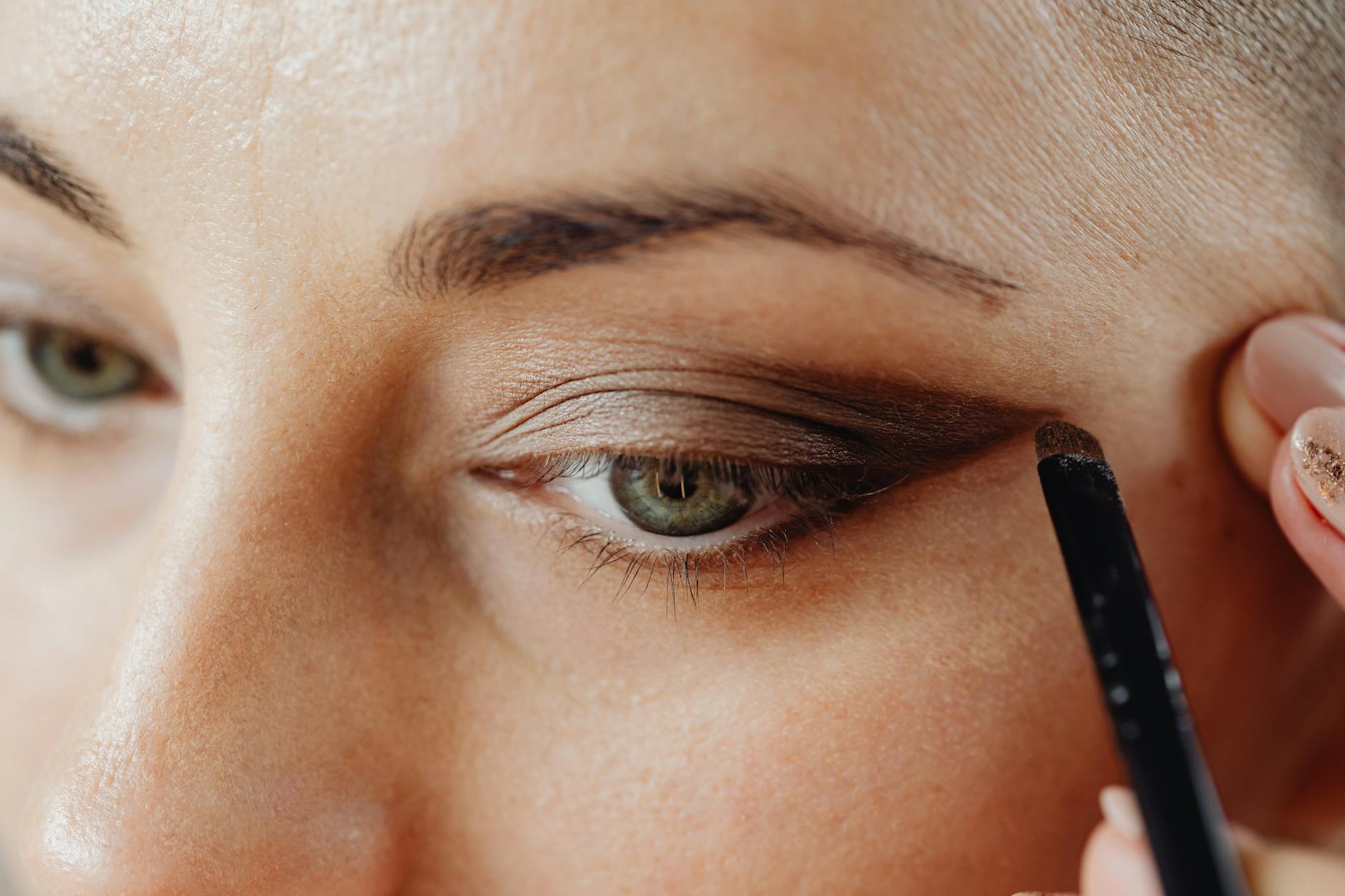
Eyes and lips offer the perfect canvas to experiment with different colors and textures. When choosing eyeshadows, consider your skin tone and eye color – warm-toned eyeshadows like gold, bronze, and copper complement warm undertones, while cool-toned shades like silver, taupe, and lavender enhance cool undertones. Don’t be afraid to play with bold lip colors – cool undertones look stunning in blue-based reds and pinks, warm undertones pop with peachy or orange shades, and neutral tones can pull off a wide range of colors from nudes to bold hues.
Final Touches: Setting Powder and Highlighter
To set your makeup and keep it in place all day, use a setting powder that matches your skin tone. Transparent powders work well for all skin tones, while tinted powders can help enhance your makeup look. Highlighter is the finishing touch that adds a luminous glow to your face. For cool undertones, opt for highlighters with a silvery or icy sheen, warm tones glow with golden or peachy highlighters, and neutral undertones can experiment with a variety of shades to find their perfect match.
In conclusion, mastering the art of skin tone makeup is all about understanding your undertone and selecting colors that complement your natural beauty. By following these expert tips for effortless color matching, you can create stunning makeup looks that enhance your features and boost your confidence. So, next time you’re shopping for makeup, remember to consider your skin tone and undertone to ensure that your colors harmonize seamlessly for a flawless finish.
Leave a Reply